Trolley Philosophy: A Still-Life Shoot on a Fiver
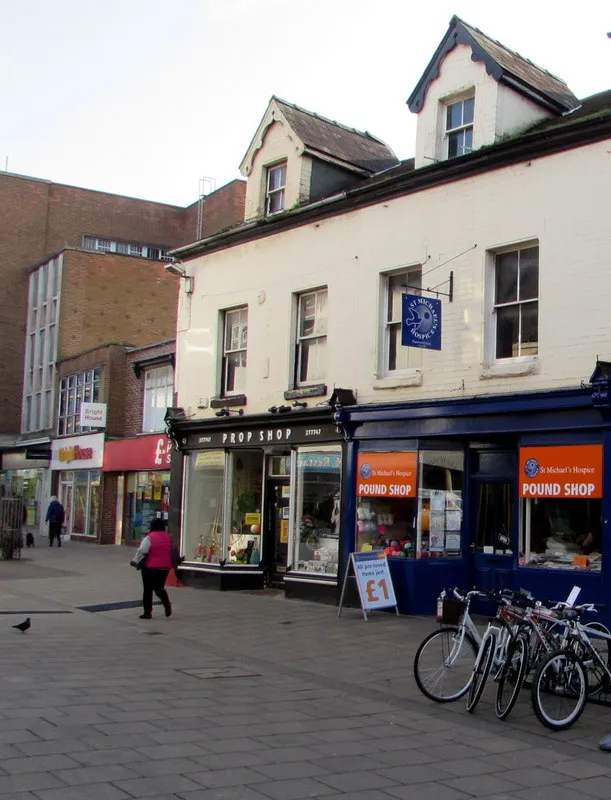
Photo: Jaggery , CC BY-SA 2.0, via Wikimedia Commons
The rules, and why I needed them
I gave myself a silly-sounding brief: spend no more than £5 in total on props, textures and backdrops for a small still-life shoot, buy only from charity shops within walking distance, and shoot it the same weekend. No borrowing from the studio cupboard. No 'just nipping online'. No quiet top-ups from my own shelves.
The real reason was not thrift. It was curiosity. When you can buy anything, you tend to buy the same things. When you have a fiver, you start looking properly. Taste gets sharper when it has to make a decision in the shop, with a basket in one hand and a slightly questionable enamel jug in the other.
Shop one: texture before object
The first stop was a church-run shop with a good linen rail and a faint smell of old hymn books. I found a pressed tea towel for 50p, a chipped enamel jug for £1.20 and a bundle of faded sheet music for 30p. Total so far: £2.
The lesson arrived quickly: buy texture, not 'props'. A prop announces itself. It says, 'I am here to make this look like a still life.' Texture says something quieter. It says, 'Look at the light for a second.' A washed-out tea towel, a scratched tray, a sheet of music with a previous owner's pencil marks — these give the camera something to describe rather than something to pose.
I also took a photo of each find in the shop, under the strip lights, before I washed anything. Those quick phone snaps became a useful record of what caught my eye before I started editing the story in my head.
Shop two: let the rail choose the palette
The second shop gave me colour rather than objects. A mustard tin for 40p, a dusty pink scarf for 80p and a small green glass dish for 60p. I had no mood board and no plan for them. That was the point. The shop set a palette of mustard, dusty pink and bottle green, and it was better than the one I would have chosen on a screen.
There is a useful rule in here somewhere: do not hunt for the exact shade in your head. Collect three colours that argue politely. Two can be friendly; the third should make the other two sit up. In this case, the green did the work. It stopped the pink from becoming too sweet and gave the mustard somewhere to go.
What I left on the shelf
A short list, learned the hard way:
- Anything with a logo, a slogan or a fake vintage label. It dates the picture and does the thinking for you.
- Novelty signs. Especially the ones that say 'Live, Laugh, Love' or 'Kitchen Rules'. Unless your shoot is about that exact object, leave it.
- Broken things you plan to fix. You will not fix them. You will move them from a charity shop to a bag under your desk.
- Faux flowers that look like they have been dusted with icing sugar. Real dried stems, if you can find them, behave better in daylight.
- Tiny ornaments. They photograph as clutter unless you have a very specific plan and a very good lens.
If it needs a story to justify it, it is probably not the right find. The best charity-shop props need almost no explanation. They just sit there and look as if they have had a life.
The shoot: one window, a table, a bit of patience
The shoot itself was deliberately small. Kitchen table, one window, a sheet of baking parchment taped over the glass to soften the light, and a £1.50 pillowcase as a backdrop. I used the tea towel as a base, the jug as a weight, and the sheet music as a false horizon. The scarf went in and out of frame until it stopped looking like a scarf.
Because I had spent only £2.70 by the end, I did not feel precious about the objects. I could turn the jug upside down. I could fold the music, then unfold it. The budget had removed the anxiety of 'wasting' nice things, and that made the pictures looser.
What I would tell anyone trying this
Start with a hard limit you can hold in your hand. A fiver is good because it is almost absurd. Decide the number of shops before you leave the house. Take a tote bag. Keep the receipts in your pocket so the total stays honest.
Look for linens, plain crockery with one chip, old books, glass, wooden spoons, scarves, trays, tins and anything with a date stamped on it. Leave branded merch, fake flowers, broken fixer-uppers and objects that only work as a joke. Wash everything before it goes near a camera. Charity shops are full of texture, but they are also full of other people's history, and a quick hand-wash is a good way to start again.
The bit I am keeping
Constraints are not the enemy of taste. They are one of the ways taste gets made. A £5 limit forced me to choose with my hands instead of my wish list, and the resulting pictures felt more like a point of view and less like a shopping basket. I am not saying every shoot needs a stunt budget. I am saying the next one probably needs a smaller trolley.