Seven Rounds, One Answer Sheet: Portfolio Notes from a Tuesday Night Quiz
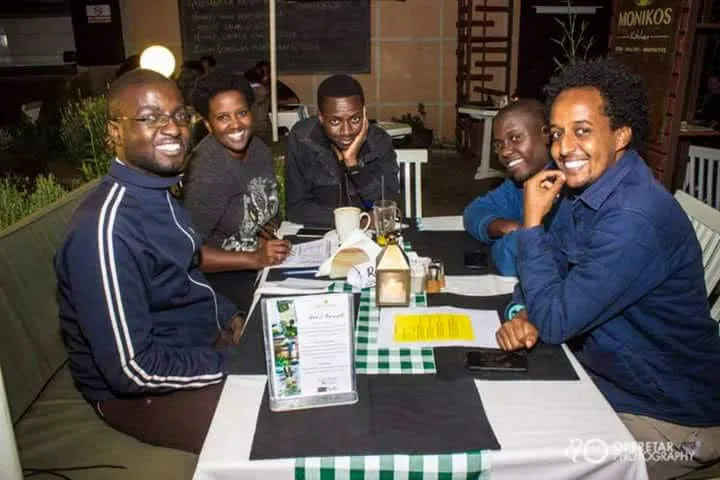
Photo: Hilary Murugu, CC BY-SA 4.0, via Wikimedia Commons
The back room of the pub smelled of chips, damp coats and the particular optimism of a team that has convinced itself it can win. It was a wet Tuesday in November, the kind of night when the windows steam up by half seven and nobody minds. Our team, The Unreliable Narrators, had a pen, a bag of crisps and absolutely no plan for the picture round. We came second. But I walked home with an answer sheet folded in my pocket and a head full of portfolio notes, which is roughly how most of my studio diary entries begin.
A good quiz has clear rounds. So should your portfolio.
Our quizmaster did not mess about. Round one was general knowledge. Round two was music. Round three was the picture round. You always knew where you were, even if you did not know the answer. That clarity is worth pinching. A portfolio that jumps from a wedding shoot to a ceramic mug to a typographic poster without a signpost makes the viewer work too hard. You do not need giant labels on everything, but you do need a shape. Give people rounds. Let them settle into a rhythm before you ask them to concentrate.
The picture round rewards detail, not volume
There were six images in the picture round. Six. Not twenty, not forty. Each one was clear enough to recognise from across the table, and each one had a reason for being there. My instinct with a portfolio is often to add one more project in case the previous one was not enough. The quiz reminded me that a tight picture round is more confident than a sprawling one. Choose the six images that do the job. Leave the blurry ones at home.
Legible handwriting beats clever answers
Halfway through round four, the quizmaster held up an answer sheet and said, gently, that he could not read the handwriting. It was not a scolding. It was a practical plea. If he cannot read it, it does not count. Portfolio presentation is the same bargain. A beautiful project hidden behind cramped thumbnails, tiny captions and a menu that needs a manual is a project that will be marked down. Give your work air. Use a typeface that behaves itself. Make the next click obvious. Readability is not the boring part. It is the part that lets the interesting part land.
Pace yourself. Do not blow the budget on round two
We went hard on the music round. We knew the answers, we were smug about it, and we used up all our energy before the second half. By round six we were guessing in tired voices. Portfolios have the same temptation. You put your biggest, brightest, most impressive piece first because you want to make an entrance. Fair enough. But if the whole thing peaks in the first thirty seconds, the viewer has nowhere to go. Think about sequence. Lead with something strong, sure, but keep a surprise for later. The last few pages should still have a pulse.
Some questions are designed to be left blank
There was a question about a 1970s television theme tune that nobody on our table knew. We wrote a guess, crossed it out, wrote another guess, then left it blank. We lost a point. We would have lost a point anyway. But the blank was honest. In portfolio terms, omission is not failure. It is editing. Not every project belongs in the main sequence. Some pieces are the equivalent of a wrong answer written in biro. Leave them out. A confident blank is better than a page that makes the viewer wonder why it is there.
The tie-breaker is where you commit
The quiz ended level with the team by the fruit machine, so we went to a tie-breaker. The question was a number. How many steps to the top of a local landmark. One guess. No hedging, no ranges, no covering your bets. That is the energy your final portfolio page needs. Do not end with three maybes. End with a piece you believe in, a clear point of view and a little bit of nerve. The tie-breaker is not the place for a committee decision. It is the place for a confident scrawl and a straight face.
The best teams listen to each other
The team that won had a system. One person wrote, one person checked, one person kept an eye on the rounds we were weaker at. They listened to each other. They did not all shout at once. When I got home, I spread my portfolio prints across the kitchen table and did the same thing: I asked someone else to look. Not for compliments, but for the quizmaster test. Could they tell what each section was for. Could they read the captions. Did they want to keep going after page three. Feedback is not cheating. It is just having a second pair of eyes on the answer sheet before you hand it in.
I have already restructured the first section of my portfolio into cleaner rounds. I have cut two projects that were only there to fill space. And I have saved one piece for the end that I was previously going to put on page two. The pub quiz did not make me a better designer, but it did make me a more honest editor. Next Tuesday, we are going back. This time I am bringing a better pen and a plan for round six.