A Tin of Maybe: Sorting Portfolio Ideas in the Allotment Shed
The allotment shed smells of damp timber, old compost and the ghost of a thousand brews. On 13 November 2026, the light had already given up by about four, so I did what any sensible person does when the sky turns the colour of wet cardboard: I put the kettle on the little gas ring and started sorting the seed tin.
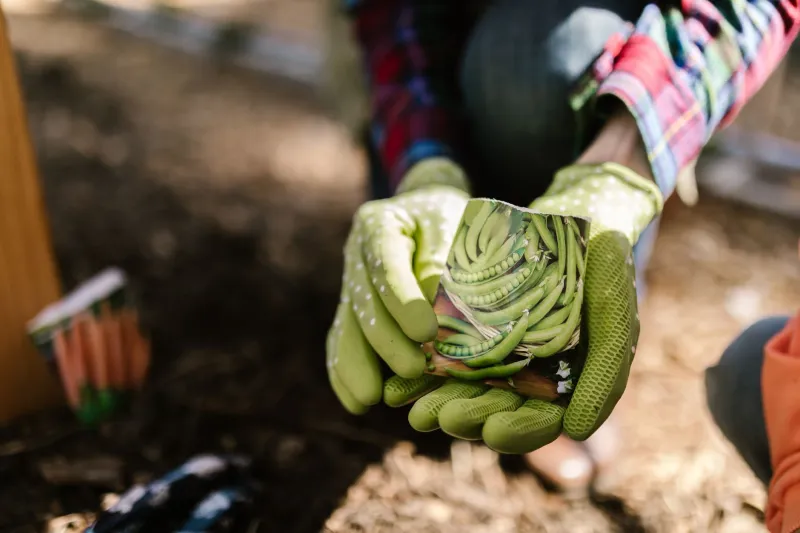
It is not really a seed tin. It is an old biscuit tin with a dent in the lid and a label that says OAT CRUMBLES in faded red. Inside are paper packets, some with pictures of perfect carrots, some with my own pencil notes on the back. There are also three rubber bands, a broken plant label and a receipt from a garden centre that I do not remember visiting.
I had gone down to the plot to tidy up. I came home with a portfolio plan. That is the way of these things.
The tin on the shelf
The useful thing about a seed tin is that it holds promise without demanding much. Nobody stands in a cold shed in November and shouts at a packet of broad beans for not being a broad bean yet. You look at the packet, you check the date, you decide whether it is worth keeping. That is all.
I have started treating my portfolio ideas the same way. Not as a to-do list that has to be cleared by Friday, but as a tin of maybe. Some ideas are ready to go in now. Some need a cold snap before they will do anything. Some are past it, and that is not a failure. It is just compost.
If you run a small creative studio, or you are one person with a website and a habit of collecting half-finished projects, this is the season for sorting the tin. Not for forcing a bumper harvest in the dark.
What to sow now
In the allotment, November is not a dead month. It is a quiet one. You can sow broad beans if the ground is not frozen, plant garlic, put in onion sets, or start sweet peas in deep pots. None of it looks like much. All of it is doing something under the surface.
For a portfolio, the equivalent is small, low-cost work that can sit quietly over winter and be ready by spring. Not a whole rebrand. Not a new website with a custom CMS and a launch party. More like:
- Rebuilding one project page with better photographs and a clearer first paragraph.
- Making a contact sheet of six images that actually belong together, rather than twelve that almost do.
- Recording a short process clip on your phone, no voiceover, just hands and materials.
- Writing a plain-English artist statement that a real person could read without needing a lie-down.
- Checking that your enquiry form still works and that your email address is not still the one from your student days.
These are module-sown ideas. Small containers. Labelled. Kept on the windowsill. You do not need to sow a whole field.
A good prompt: what is the smallest useful thing I could put on my portfolio before February? Not the most impressive. The most useful.
What to overwinter
Some seeds need cold before they will germinate. They sit in the dark, getting rained on, and somehow that is the point. Portfolio ideas can be like that too.
The collaboration you keep circling but have not emailed about. The series that needs three months of reading before you make anything. The skill you want to learn properly, not just enough to bluff your way through a client call. The project that is too big for this month but not too big for next year.
These do not need forcing. They need a label and a place in the tin. Write down what they are waiting for. A conversation? A budget? A quieter week? Better light? A decision about whether you actually want to do them?
I have a page in my notebook headed Overwinter. It is not a deadline list. It is a holding bed. Some things have been in there for two winters. One or two have quietly rooted. A few have turned out to be someone else's idea of what I should be doing, which is always worth noticing.
A good prompt: which idea would benefit from being left alone until March, rather than being poked at every Sunday night?
What to compost
This is the part people skip. The seed tin gets full because nobody throws anything away. Old packets, hopeful packets, packets bought in a burst of enthusiasm after watching a gardening programme. They all stay in the tin, and then you cannot find the one you actually need.
Portfolios fill up the same way. The project you finished three years ago and keep reopening because it was nearly good. The style you copied for a while because it got likes. The audience you no longer serve but feel guilty about leaving. The case study that exists only because a client asked for it and you never liked the work.
Compost is not a bin. It is a process. You put the old stuff somewhere it can break down and feed something else. That might mean moving old work into an archive page, deleting a project that no longer represents you, or simply writing a note that says: this was a useful experiment, and it is done.
A good prompt: what am I keeping only because deleting it feels like admitting something?
Rotate the beds, not the guilt
Crop rotation is one of those allotment ideas that sounds fussy until you try it. You do not grow the same thing in the same bed every year, because the soil gets tired and the pests get clever. You move things around.
Portfolios need rotation too. Not everything has to be a case study. Not every project needs a hero image and a three-paragraph intro. You can rotate formats: a photo essay, a short film, a written note, a single image with a caption. You can rotate the order: put the quiet work first for once, instead of hiding it behind the loudest client. You can rotate the audience: make one page for people who want to commission you, and one for people who just like looking.
The point is not to change everything for the sake of it. The point is to stop putting the same crop in the same bed until the whole plot is tired.
Labels that do a job
My seed packets are only useful because some of them have labels. Not beautiful labels. Pencil on the back. Sown 2024. Poor germination. Try again. These notes are the difference between a tin of mystery and a working plan.
Your portfolio needs the same honesty. Name the files properly. Write captions that say what the thing is. Add alt text that helps someone who cannot see the image. Keep a note of what you changed and why. Future you will be standing in a cold shed, metaphorically speaking, and will not remember what any of it was for.
A good prompt: if someone else had to update this page tomorrow, would they know what it is and why it exists?
A small spring plan, not a big promise
By the time I had finished, the kettle had boiled twice and the shed was properly dark. I had a small pile for the bin, a smaller pile to sow now, and three packets moved to the Overwinter section of the tin. It was not a grand plan. It was a workable one.
That is what I want from winter portfolio work. Not a forced burst of productivity in the gloom. Not a guilt-driven redesign at midnight. Just a bit of sorting, a few labels, and a handful of small things sown now so that spring has something to meet.
The tin is back on the shelf. The plot is quiet. That is allowed.